John Gary Brown, Brownie, and I met thirty years ago in Colorado. This was back in my acting days. Brownie was the photographer for Creede Repertory Theater where I’d landed the ingénue roles that summer.
He’s the first person I ever met who shared my love of cemeteries. When I sheepishly admitted to my grave addiction on a hike up West Willow Canyon with most of the acting company, the others looked at me like I’d grown an extra nose, Brownie’s eyes lit up. “Me too,” he said, “I’m thinking about writing a book.”

Fourteen years later, Soul in the Stone: Cemetery Art from America’s Heartland was published by the University Press of Kansas.
Both in photography and words, Brownie articulates everything I love about wandering through graveyards. But, where I look at stones and wonder about their history, Brownie goes out and finds the stories. I’m not talking genealogy. He’s an artist – one of my ambitions in life is to own a Brownie painting.
He tells the real human story, the wealth, poverty, culture, history, often weird and funny tales that give each monument its unique significance. He sees the artist or artisan’s point of view too and reveals things about techniques, styles and types of stone that I’d never think of.
I love that.
His photos truly evoke the soul in each stone. I wish I could give you a few samples, but I didn’t want to infringe on Brownie’s copy rights. You’ll just have to go to your library or book store and order the book.
Use it as a travel guide. I guarantee Brownie will lead you to sites Michelin and Frommer never could. As he says in his introduction,
I wish to introduce the reader to a fairly comprehensive sampling of monuments, found and photographed in the course of travel and exploration… Artistic expression and the role of the cemetery in the history of art are especially emphasized in the choice of material. I hope that this book will encourage others to explore, enjoy and perhaps document outstanding Heartland cemeteries.

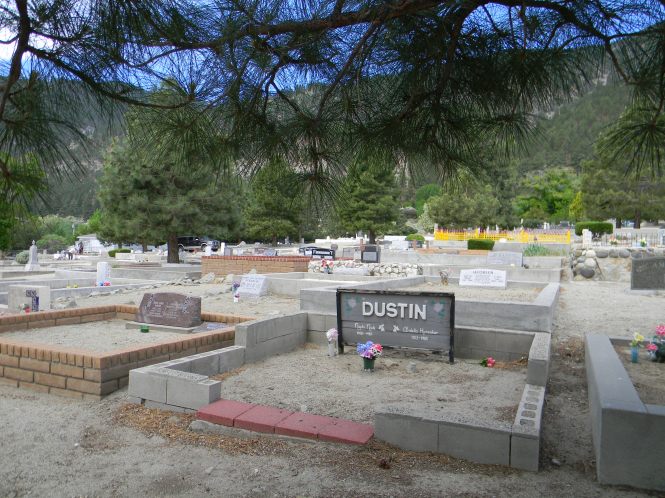
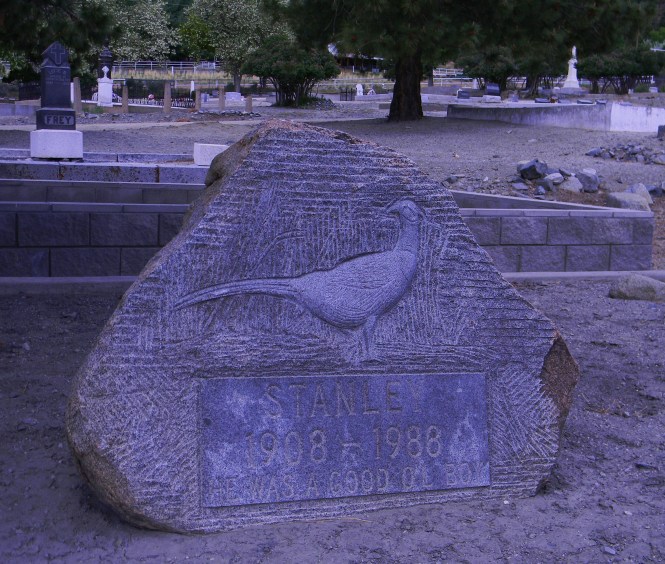
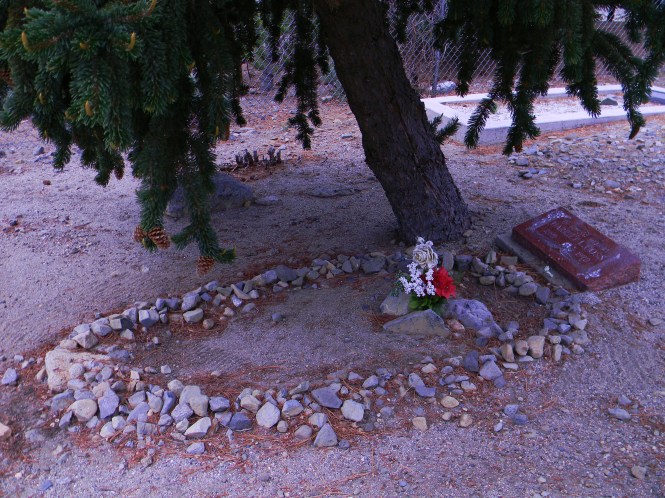
 The tiny town’s on state hwy 206 about an hour east of South Lake Tahoe and was the first settlement in the Nevada Territory back in 1850. It’s beautiful cemetery’s got to be one of the best collections of unique, handmade grave markers I’ve ever seen, all in one place.
 but three times to ask politely if they could help me find anyone in particular. My picture-taking frenzy made them think maybe I was a reporter.
 A hero who skied through many seasons of harsh Sierra Nevada snow storms to deliver mail and supplies.






 I Dig Graves!