Embracing Eco-Friendly Practices: The Return of Natural Burials

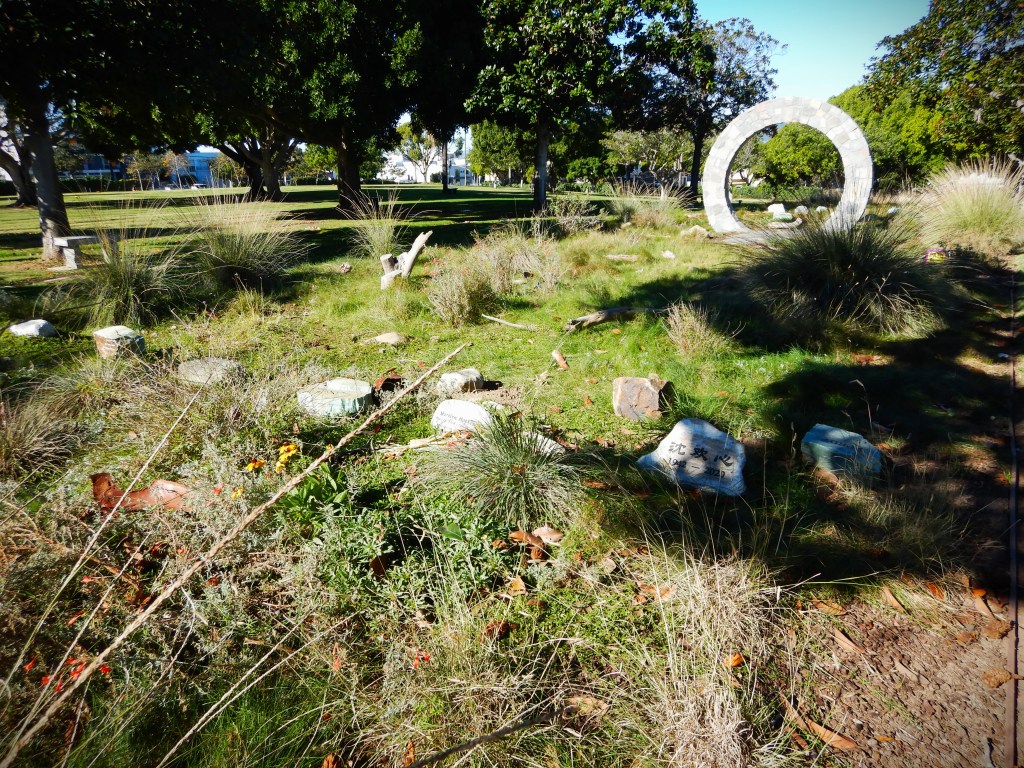
Special section designated for natural burials in one Los Angeles cemetery.

Green burials are the hot new-old thing.

When you consider how long humans have been living and dying on our planet, embalming is a relatively new practice. Ancient Egyptians mummified their dead, but modern embalming practices started during World War I when families wanted to preserve fallen soldiers’ bodies long enough to get them home from overseas for burial. Thanks to the funeral industry, the practice gained popularity for non-military folks in the decades that followed. Nowadays most people in the United States don’t even realize they have a choice.

Burial vaults, fancy caskets and embalming services are not required by law. They’re a choice in all 50 states. The average burial in the USA cost upwards of $7800 in 2024. There’s a lot of money to be made, but the funeral industry is responding to growing demand for more earth-friendly and inexpensive alternatives.
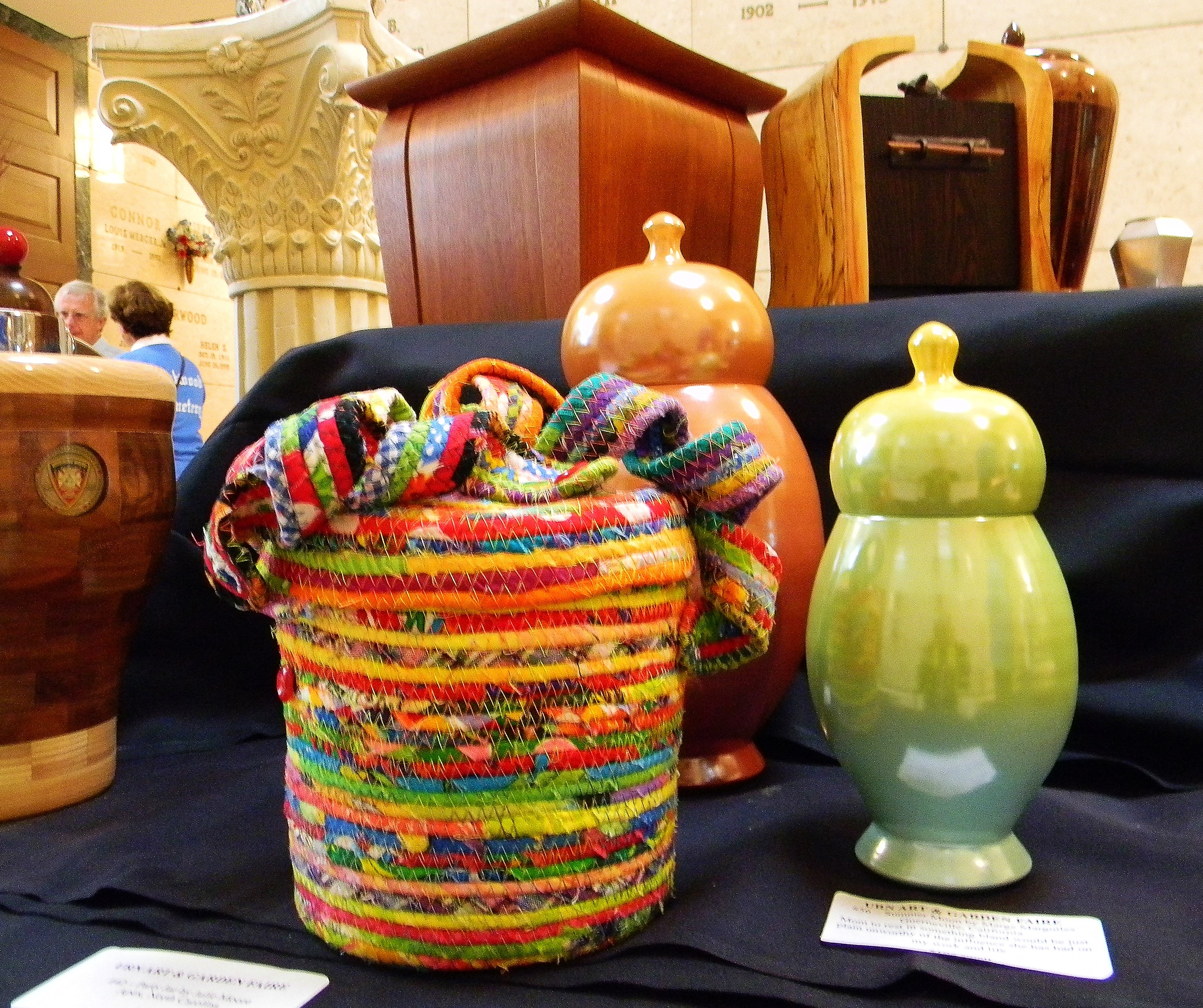
This beautiful cloth urn was handmade by Julie Moore of Fiberactive Organics.

Green, or natural burials not only save money, but support land conservation and sustainable practices by avoiding toxic embalming chemicals and concrete. Biodegradable caskets, shrouds, and urns are set directly into the ground, not sealed in concrete vaults – ashes to ashes, dust to dust. There are even companies that will compost your body and turn it into a natural material that can be spread in a garden or orchard to help plants grow.

The Evergreen Cemetery in Colorado Springs has this stunning section.

What will your choice be?

What a Rush!

My fifteen minutes of blogging fame are over.

Thank you to everybody who stopped to “like” or comment. Special thanks to all of you who decided to follow “I Dig Graves.”

I love sharing my passion for all things burial, but it’s especially great exchanging thoughts with all of you.

My blog’s not only a place for me to show off all the great cemeteries I’ve found, but a place to learn, from you, about other fabulous spots around the world. 

Your comments got some excellent speculation going about why people put little fences around graves.

Marking territory was the most common thought followed closely by fulfilling an impulse to continue protecting lost loved ones. I think both of those are true.

The best explanation for the origins of the practice came from VLS. She postulates that it all started when folks buried their families out on the prairie. “Oh give me a home…where the buffalo roam…where the deer and the antelope play.”

If you didn’t want a cow or bison leaning on the tombstone that you’d put a lot of care and money into, you put a fence around it. This idea made a great deal of sense to me and explained why the practice is most prevalent in the Southwestern U.S. Thanks, VLS!

I’m not a genealogist, though I admire those of you who are up to the challenge. I’m not a photographer. Mostly I just point and shoot in beautiful places. But for reason’s I’ve never been very good at articulating, cemeteries provoke and ground me at the same time.

I invite you to share your fascination too.